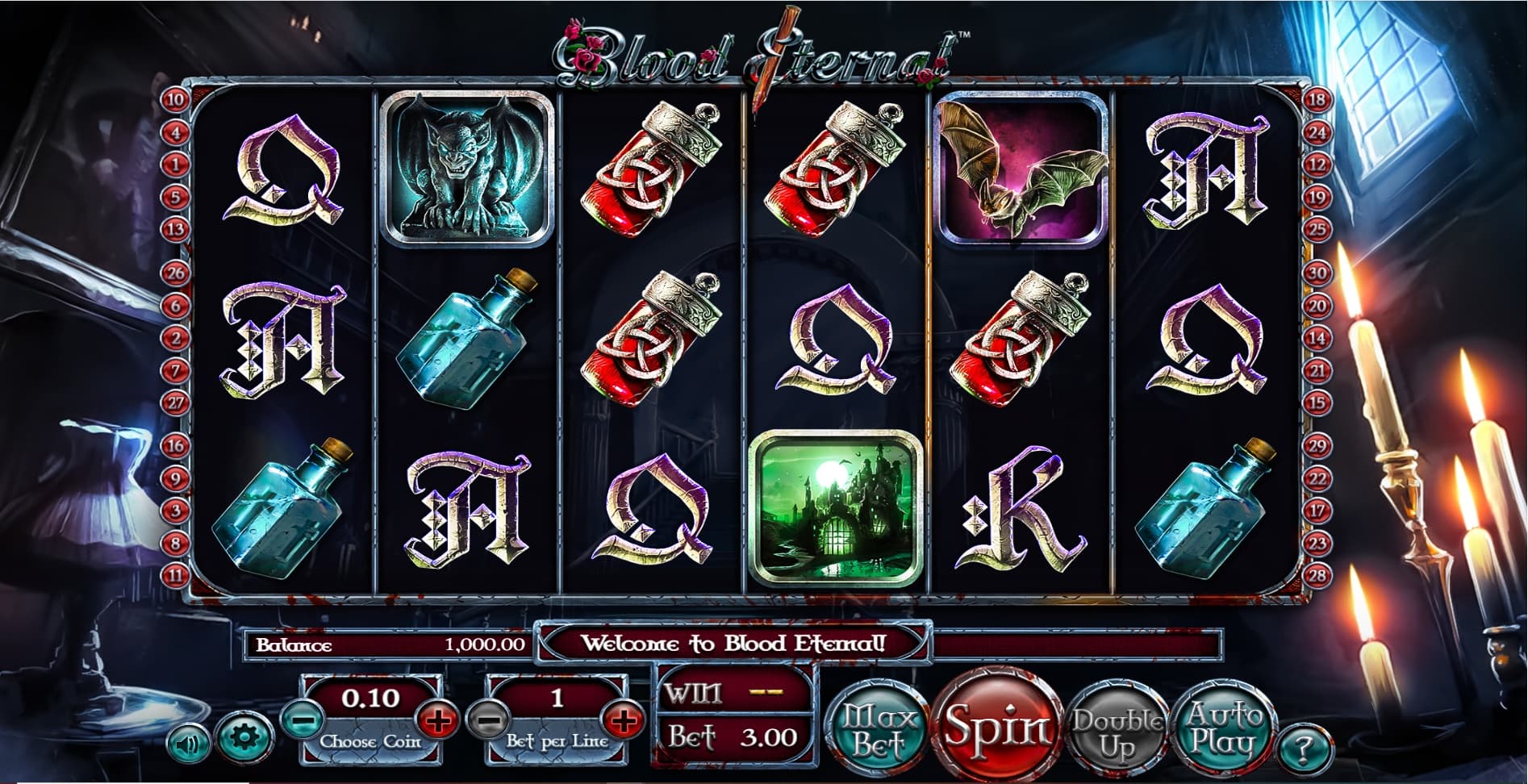
Blockchain Reel Machines For Immersive Crypto Slot Play
The visual quality of digital entertainment has improved dramatically as graphics technology has evolved. Today, advanced rendering engines, powerful graphics processors, and sophisticated animation tools enable developers to build highly detailed virtual environments across many types of software. At the same time, blockchain technology has introduced decentralized approaches to storing digital information and managing online interactions. Readers researching 3D crypto slot games often encounter both subjects together because they represent complementary areas of technological innovation.
Educational resources explain how graphics development and blockchain engineering operate independently while sometimes being integrated into the same applications. This technical approach provides readers with a clearer understanding of modern software without emphasizing specific platforms or promotional content.
Building Three-Dimensional Interactive Environments
Creating a three-dimensional application begins with modelling virtual objects, environments, and characters. Developers then add textures, lighting, animations, and visual effects before optimizing the software for different hardware platforms. These production stages are common across video games, educational simulations, and many forms of digital entertainment.
Readers exploring high definition Bitcoin slots frequently discover discussions about rendering pipelines, graphics optimization, and animation systems. Educational articles explain that these technologies determine how virtual environments appear and perform, regardless of how financial transactions are managed.
Core Elements Of 3D Graphics
Modern three-dimensional applications commonly include:
- Polygon modelling
- Real-time rendering
- Dynamic lighting
- High-resolution textures
- Animation systems
- Physics simulations
- Performance optimization
Together, these technologies create visually detailed interactive experiences.
How Blockchain Supports Digital Applications
Blockchain technology functions primarily as a decentralized record-keeping system. Instead of storing information in a single centralized location, blockchain distributes data across multiple participating computers while using cryptographic methods to verify transactions and maintain consistency.
Readers researching blockchain reel machines often encounter explanations of distributed ledgers, consensus algorithms, and smart contracts. Educational resources focus on these technical concepts because they illustrate how blockchain differs from conventional server-based architectures used in many digital applications.
Blockchain Technologies Explained
Educational discussions commonly introduce:
- Distributed ledgers
- Smart contracts
- Cryptographic verification
- Digital wallets
- Consensus mechanisms
- Network nodes
- Immutable transaction records
These concepts provide a foundation for understanding decentralized software systems.
Connecting Graphics With Decentralized Infrastructure
Some modern software projects combine advanced visual presentation with blockchain-based backend services. In these applications, graphics engines manage the interactive user experience, while blockchain components handle transaction verification or digital asset management independently. This separation allows developers to optimize each system for its specific role.
Readers interested in digital casino entertainment or 3D gambling games online often encounter educational explanations describing how frontend graphics communicate with backend blockchain infrastructure. These discussions highlight software architecture rather than focusing on gameplay or promotional claims.
Technical Disciplines Involved
Developing blockchain-enabled graphical applications commonly requires:
- Software engineering
- Three-dimensional modelling
- Network programming
- Cryptography
- User interface design
- System optimization
- Quality assurance testing
Each discipline contributes to the stability and functionality of the finished application.
Understanding Modern Software Innovation
Three-dimensional graphics and blockchain technology demonstrate how separate areas of computing continue to influence contemporary digital entertainment. Readers researching 3D crypto slot games, blockchain reel machines, digital casino entertainment, high definition Bitcoin slots, or 3D gambling games online benefit from educational resources that explain rendering technology, distributed systems, software architecture, and engineering practices without relying on promotional messaging.
By examining how visual design, decentralized infrastructure, and application development work together, readers gain a broader understanding of emerging software technologies. Educational content emphasizes technical knowledge, innovation, and responsible gambling awareness while presenting these topics from a balanced and informative perspective.